

Topic world · ages 4–10
Seasons
Spring, summer, autumn and winter. Find out why the seasons change, why days grow long and short, and how trees, animals and people get ready for each season. Then help Pistachio read the tree in her notebook and try the 10-question quiz.
Cards
Why do the seasons change?
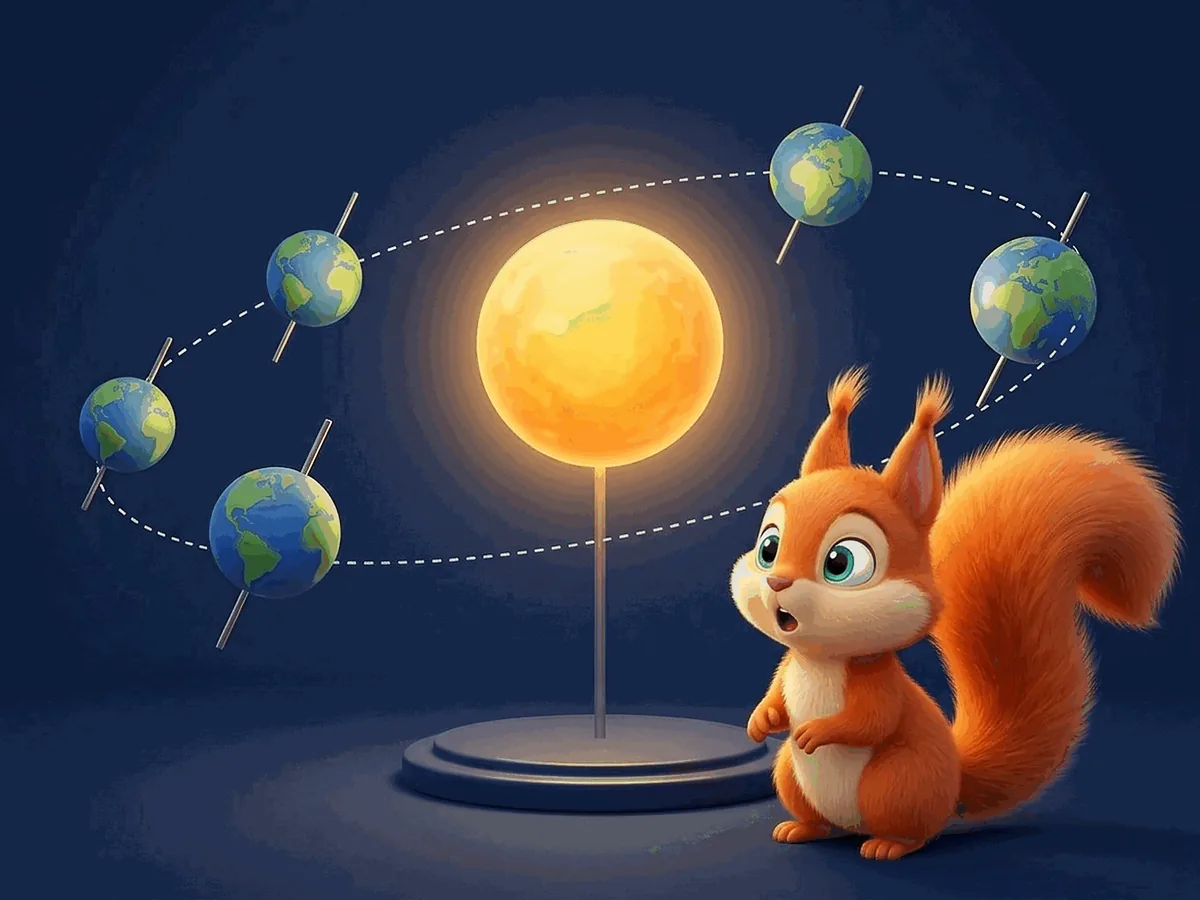
The seasons come from the Earth's tilt
The Earth goes round the Sun once a year, and it is tilted a little as it goes. For half the year our half of the Earth leans towards the Sun, and for the other half it leans away.
Why? When our half leans towards the Sun, sunlight falls on us more steeply and for longer each day, so it is summer. Many people think summer comes because the Earth is closer to the Sun. In fact the Earth is closest to the Sun in January, when it is winter in Türkiye.
Try at home: With a grown-up, put a lamp in the middle of the room. Walk slowly round it holding an orange with a stick through it, always leaning the stick the same way. When is the top half of the orange lit most?

Summer days are long, winter days are short
In Ankara the Sun stays in the sky for about 15 hours on 21 June. On 21 December it stays for only a little over 9 hours.
Why? In summer our half of the Earth leans towards the Sun, so the Sun climbs high and takes a long path across the sky. In winter it stays low and its path is short. A longer day means more time for the Sun to warm the ground.
Try at home: Once a week, look at what time it gets dark and write it on a calendar. After a month, are the days getting longer or shorter?
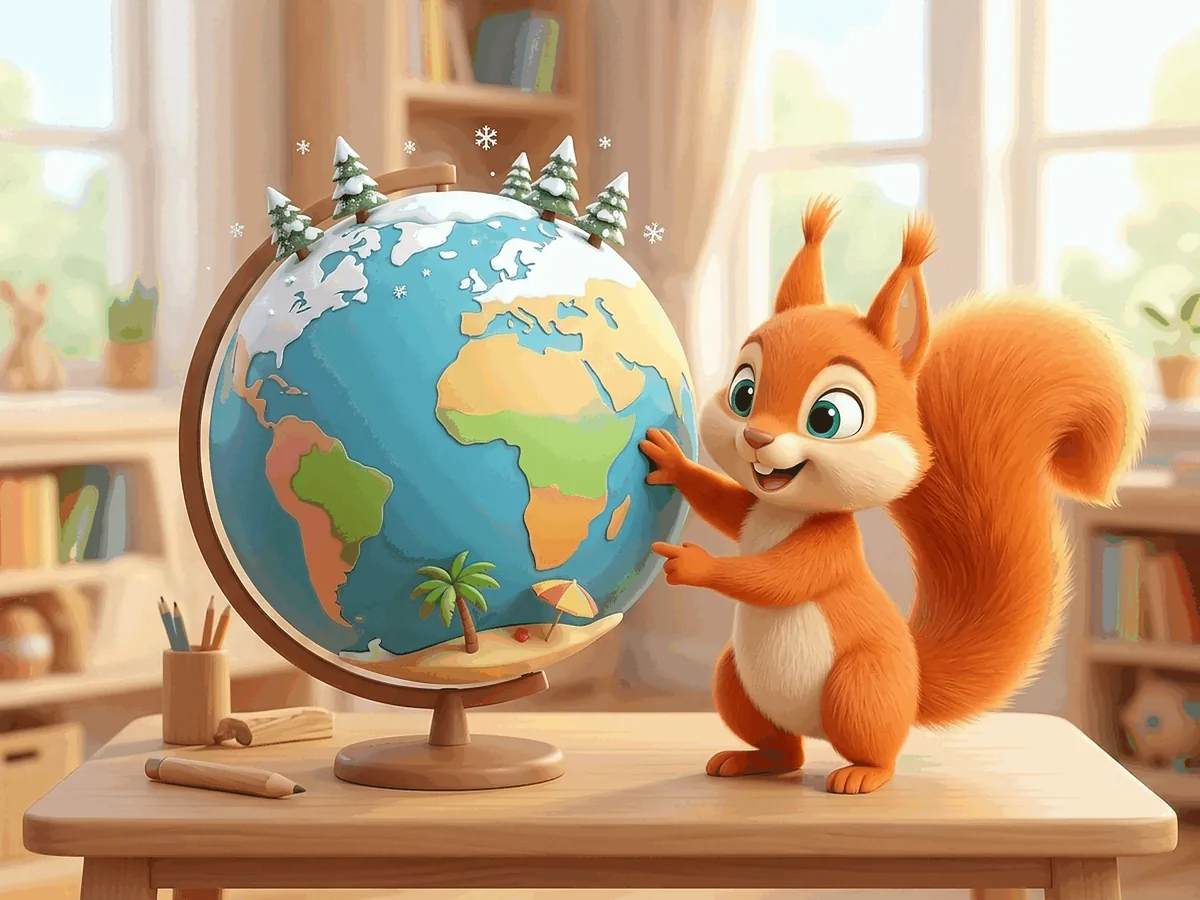
In the south of the world the seasons are the other way round
When it is winter in Türkiye, it is summer in Australia, Argentina and South Africa. When it is summer here, it is winter there.
Why? These countries are in the southern half of the Earth. In December the northern half leans away from the Sun and the southern half leans towards it. So children there may spend the New Year at the beach.
Try at home: With a grown-up, find Türkiye and Australia on a globe. Shine a torch at the middle of the globe from the side. Tilt the top of the globe towards the torch, then away from it. When does Türkiye get more light, and when does Australia?
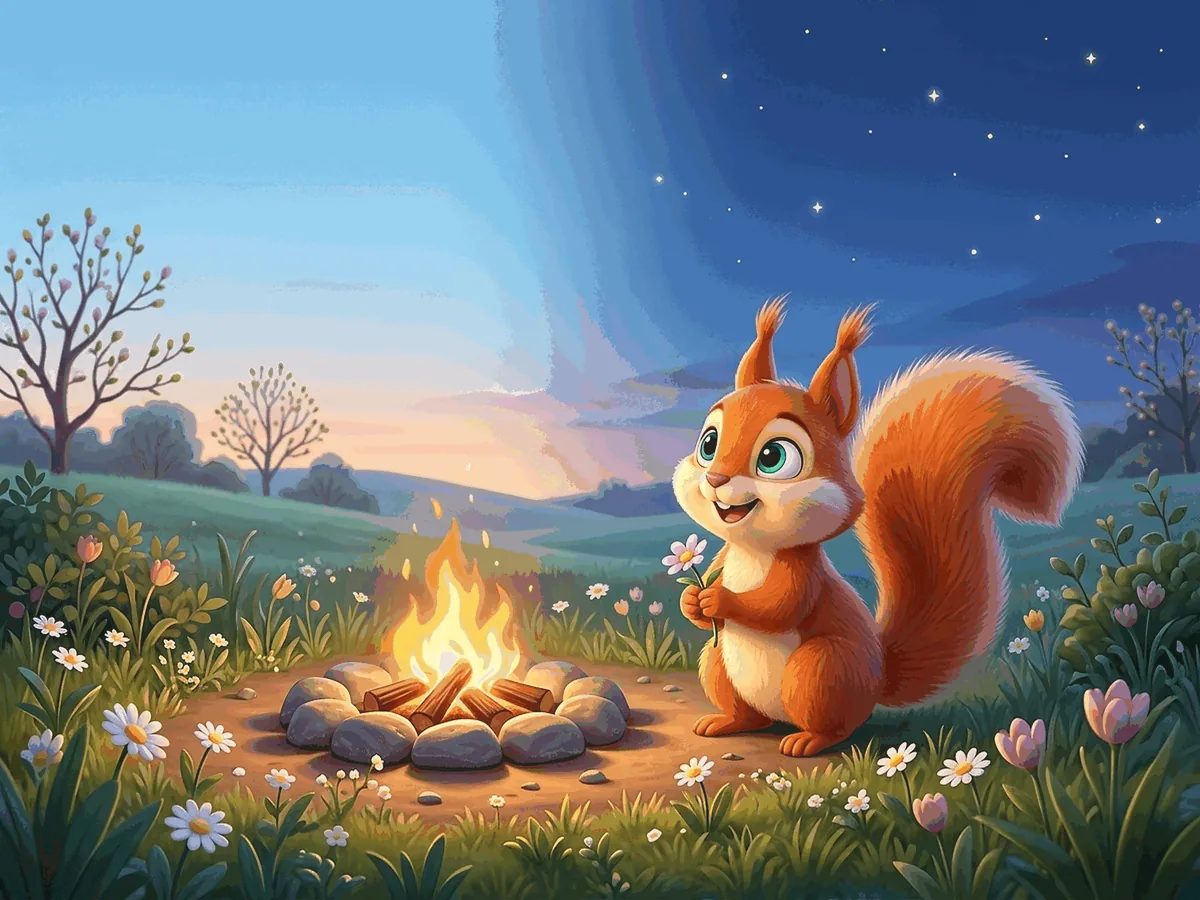
Twice a year, day and night are equal
Around 21 March and 23 September, day and night are almost the same length all over the Earth. Around 21 March many people in Türkiye and neighbouring countries celebrate Nevruz, the spring festival.
Why? On these days neither half of the Earth leans towards the Sun more than the other, so light is shared fairly. Nevruz means “new day”, and twelve countries, Türkiye among them, keep it together as a heritage of all people.
Try at home: On 21 March, look at the clock when the Sun rises and when it sets. Is the day close to 12 hours?
Nature gets ready
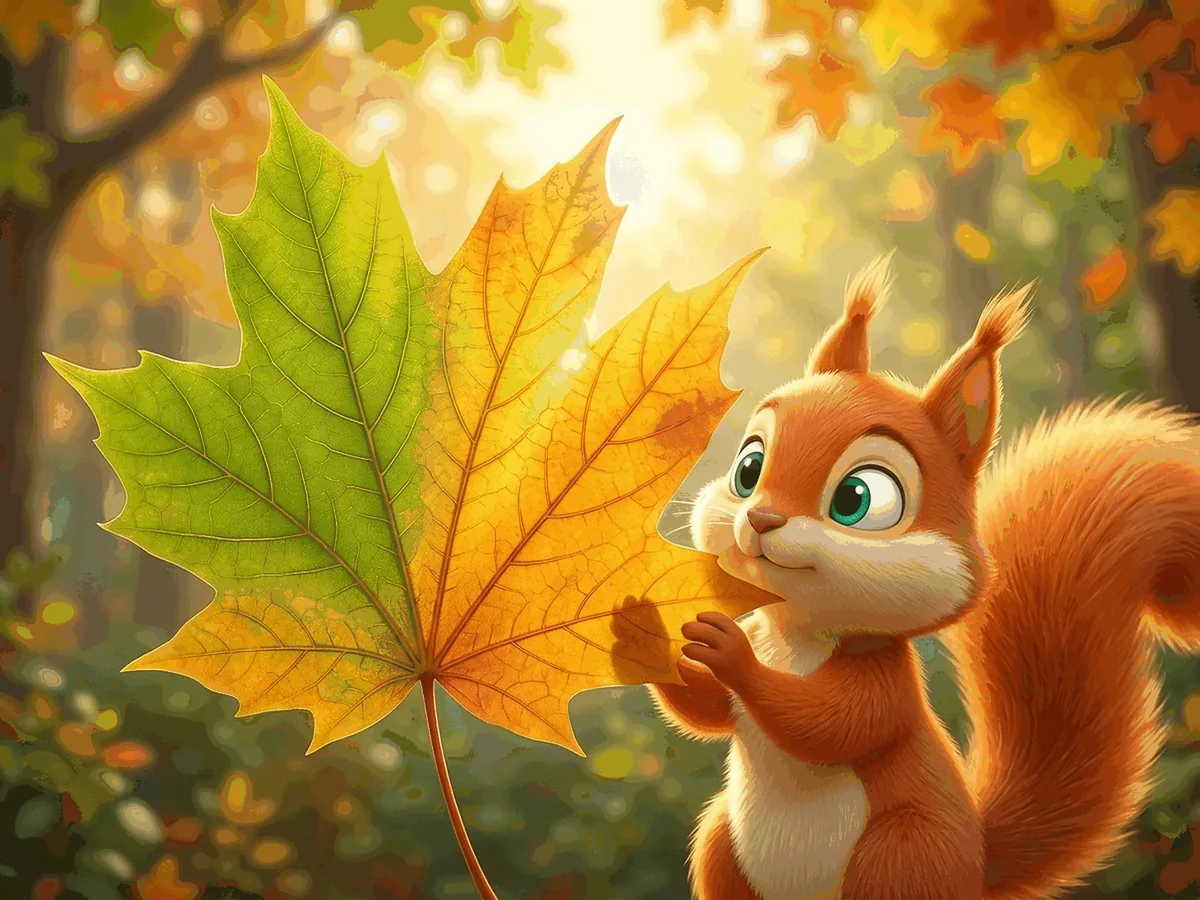
The yellow in autumn leaves was there all summer
A leaf is green because of a green colour called chlorophyll, which helps it make food from sunlight. In autumn the green breaks down, and the yellow and orange that were hiding under it all summer start to show.
Why? As autumn days get shorter and colder, the leaves cannot make enough food, and the tree grows a thin layer at the bottom of each leaf stalk. This layer cuts the leaf off, so it falls. The tree rests in winter and grows new leaves from its buds in spring.
Try at home: Collect leaves of different colours in autumn. Press them between the pages of a heavy book for a week, then make a picture with them.
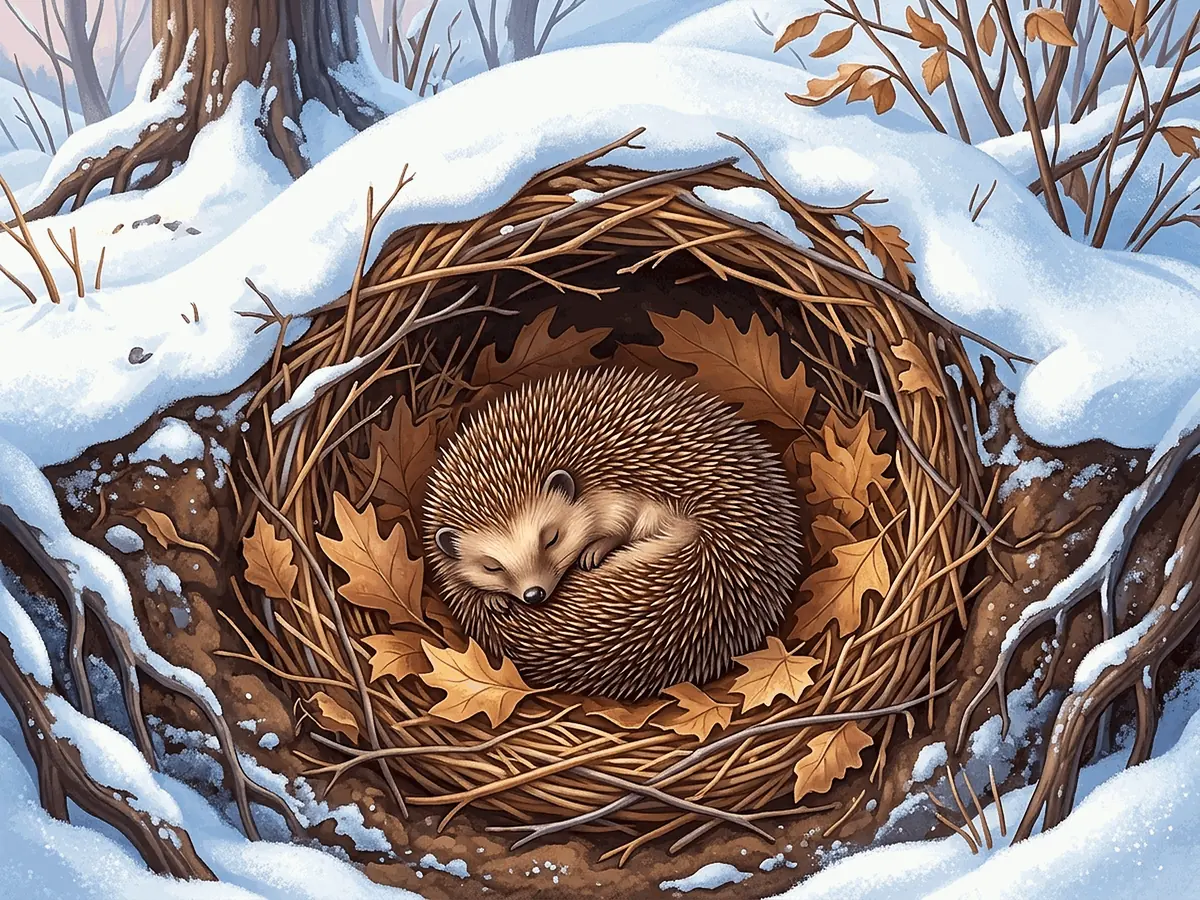
Hedgehogs sleep through the winter
In winter there are almost no insects or worms for hedgehogs to eat. So they make a nest of leaves and go into a deep winter sleep called hibernation.
Why? In winter sleep a hedgehog's body cools from about 35 degrees to 10 degrees or less. Its heart slows from about 190 beats a minute to about 20. So it uses very little energy and lives on the fat it stored in autumn.
Try at home: If you have a garden, leave a pile of dry leaves in one corner in autumn, with a grown-up. It can become a home for a hedgehog or for insects.
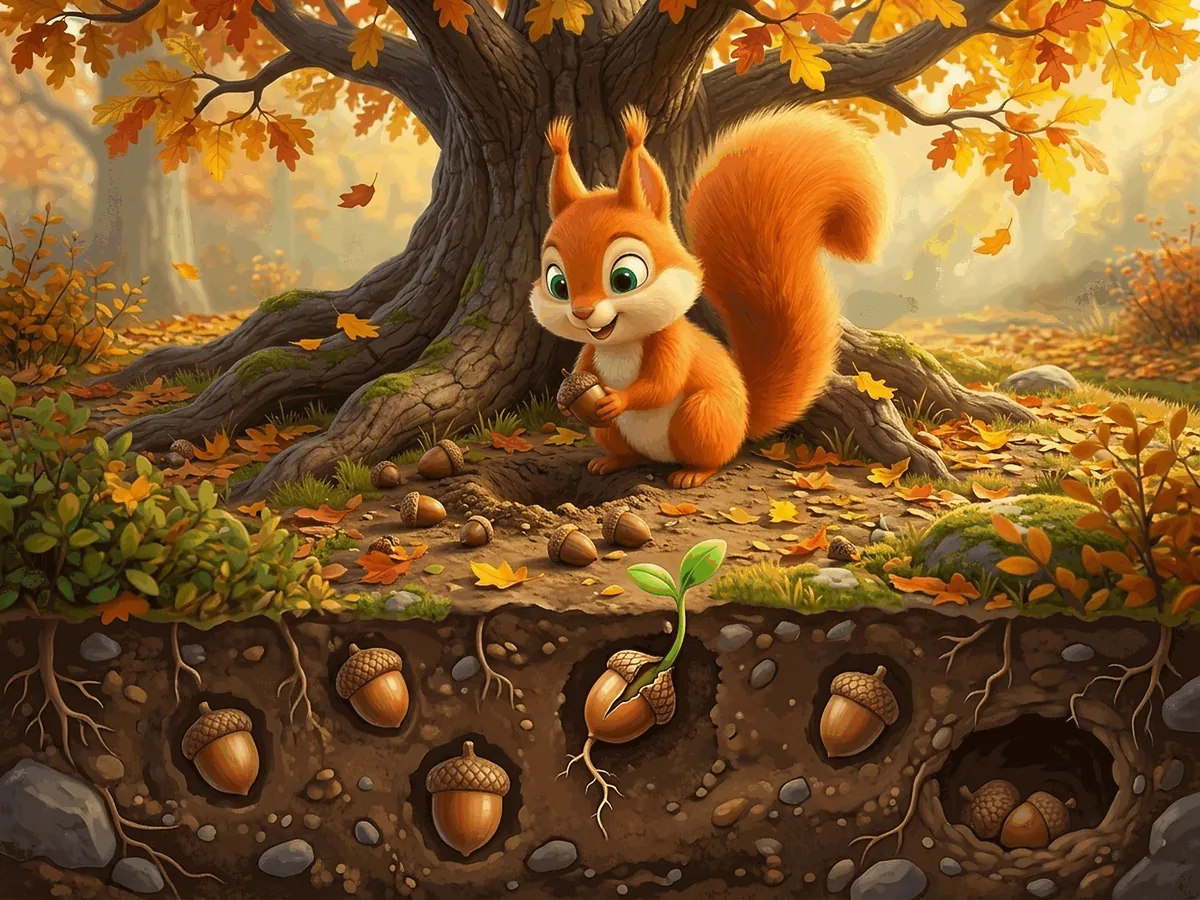
A forgotten acorn can become an oak
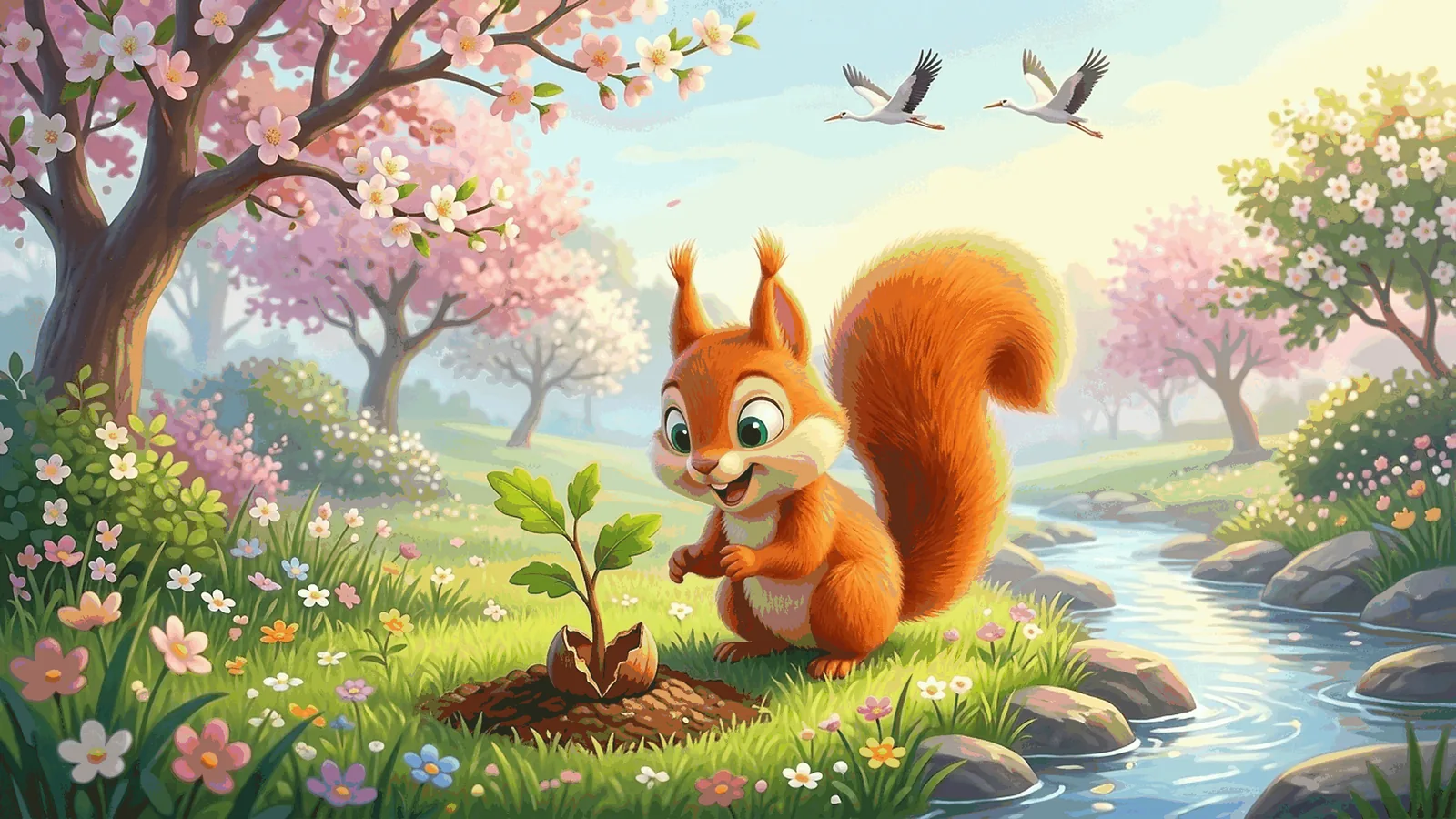
In autumn squirrels bury acorns one by one in many places, to eat them in winter. They never find some of them again.
Why? A buried acorn is already planted, at just the right depth. One scientist found that squirrels leave up to three in every four acorns they store. Some of those grow into new oak trees in spring.
Try at home: In autumn, collect a few acorns or other tree seeds in a park. Plant one in a pot of soil, keep it outside in a sheltered place and look at it again in spring.

Storks fly over Istanbul every autumn
At the end of summer most white storks fly south to spend the winter in Africa, and in spring they come back. Every autumn hundreds of thousands of them fly over the Bosphorus in Istanbul.
Why? Storks hardly flap their wings. They glide on warm air rising from the ground, and this warm air hardly forms over the sea. So instead of crossing wide seas, they fly over narrow straits such as the Bosphorus.
Try at home: On a sunny autumn day, look up at the sky with a grown-up. Do you see big birds circling without flapping their wings?
Weather and us
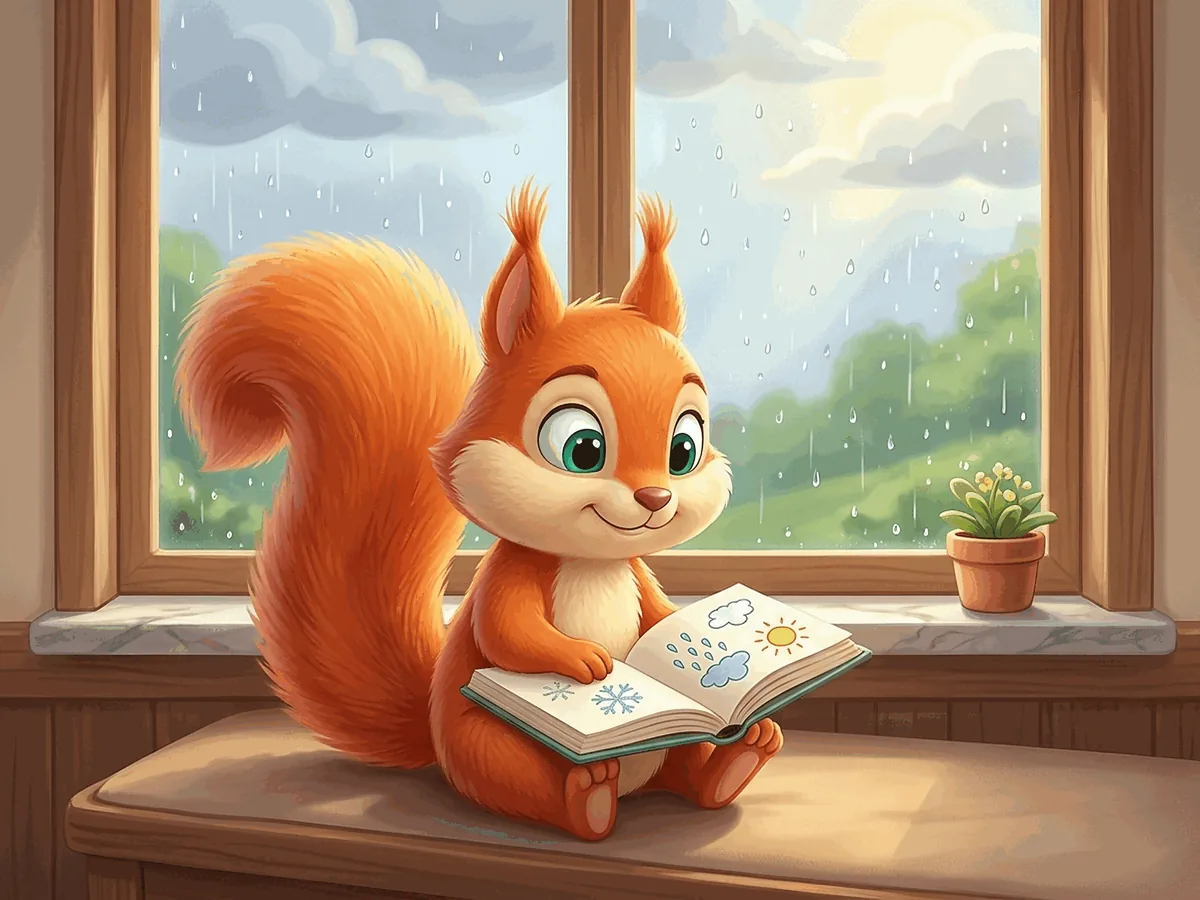
Weather is today, climate is many years
Weather is what it is like outside today. It can be sunny, rainy or snowy. Climate is what a place's weather is like on average over many years.
Why? One sunny day in winter does not make it summer. To know a place's climate, scientists look at its weather over 30 years. In Türkiye the weather is measured and forecast by the Turkish State Meteorological Service.
Try at home: For one week, draw the weather sign for each day, a sun, a cloud, rain or snow. At the end of the week, which sign did you draw most?
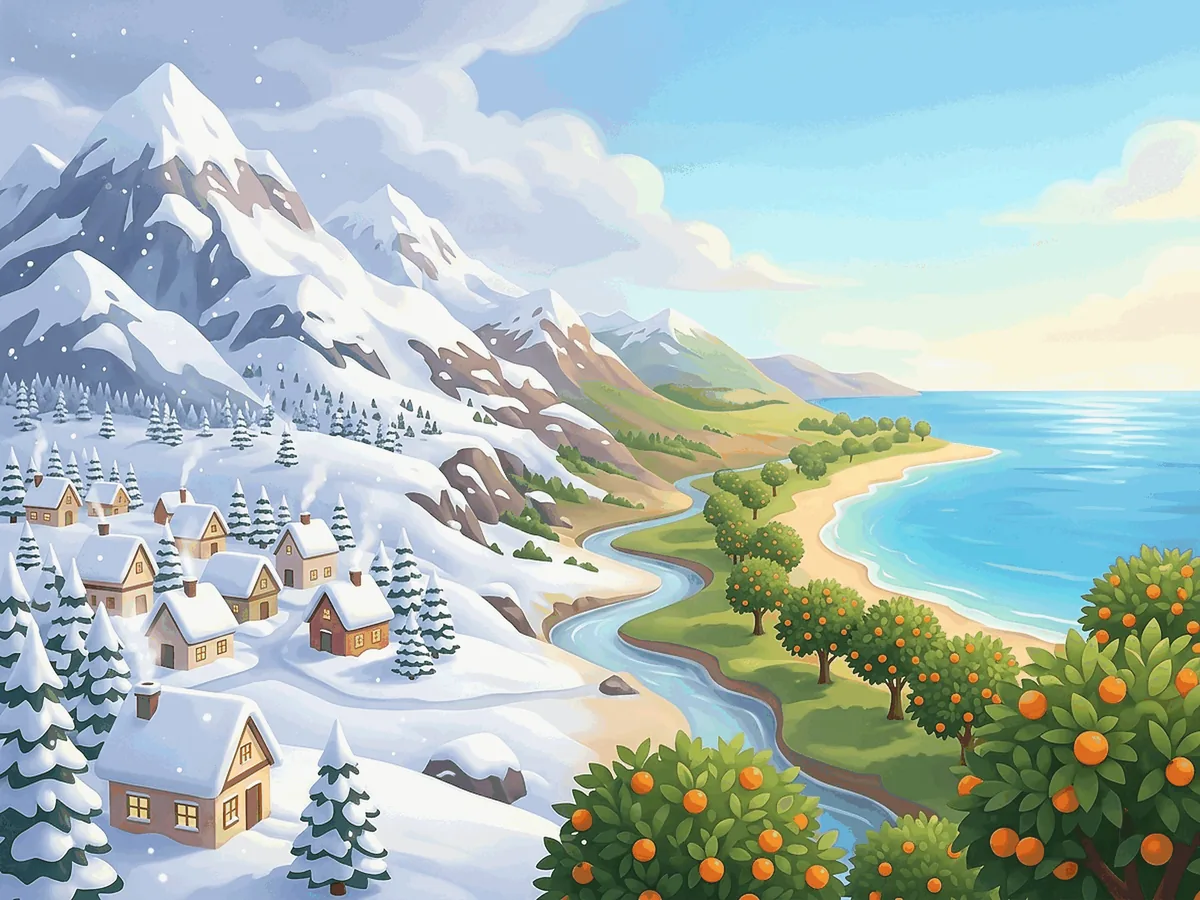
The same winter feels different across Türkiye
In January the average temperature in Antalya is about 10 degrees. In Erzurum it is about 9 degrees below zero.
Why? Antalya is by the sea, and the sea keeps the coast mild in winter. Erzurum is high up among mountains and far from the sea, and the higher you go, the colder the air gets. So on the same day there may be oranges in Antalya and deep snow in Erzurum.
Try at home: Look at tomorrow's weather forecast for two cities, one by the sea and one in the mountains. How many degrees apart are they?
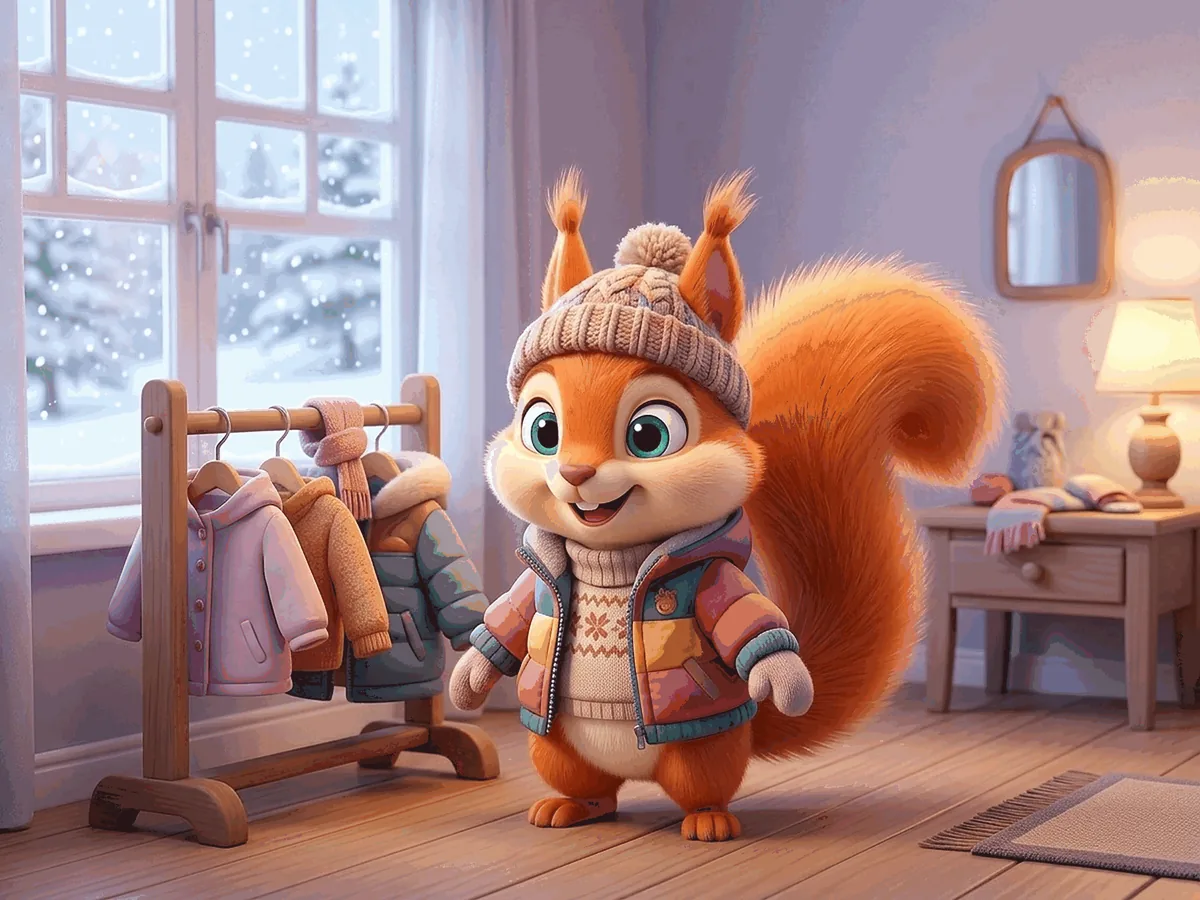
Thin layers keep you warmer than one thick one
In cold weather it is better to wear several thin layers of clothes than one thick one.
Why? A little air is trapped between the layers, and still air keeps the warmth of your body in. If you get too warm while running, you can take one layer off.
Try at home: Before you go out, look out of the window and check the weather. Choose your clothes yourself, then ask a grown-up if they are right.
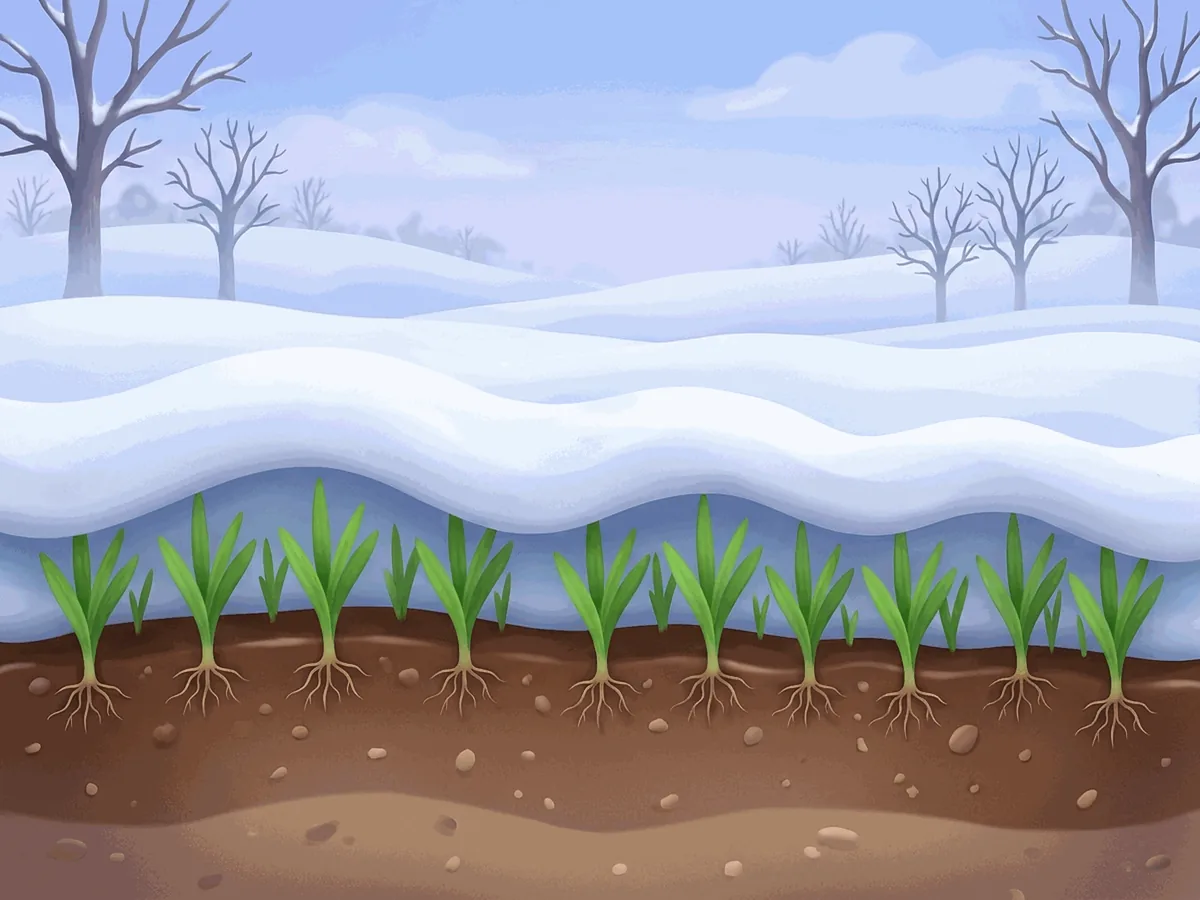
Wheat waits under the snow
Some wheat is sown in autumn. It puts down roots before winter, rests under the snow and grows again in spring, ready to be harvested in summer.
Why? Snow is like a blanket. Under it the young wheat stays only a little below freezing, even when the air above is much colder. So a snowy winter helps the bread of the next summer.
Try at home: On a cold, snowy morning, with a grown-up, put one thermometer on top of the snow in the shade. Bury another in the snow until it touches the ground. Wait ten minutes. Which one shows a warmer temperature?
A tree's year
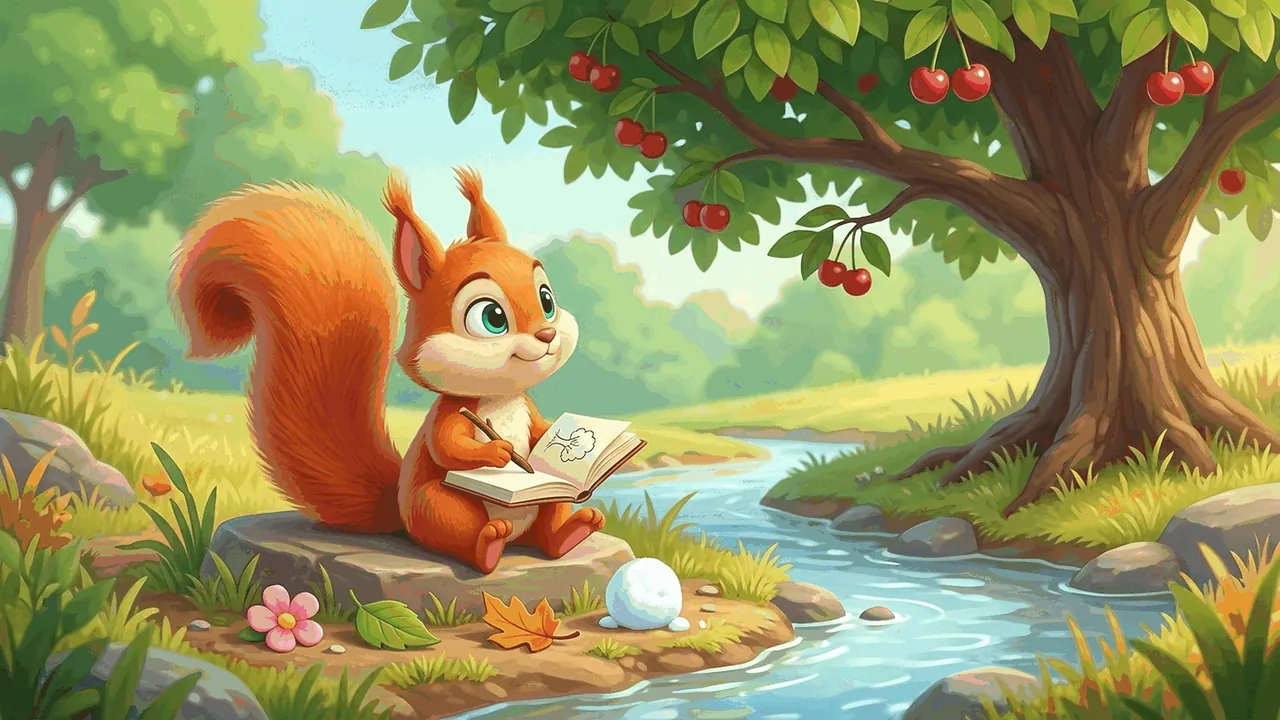
Pistachio visits the same cherry tree by the stream all year and writes down what she sees. Read her notebook and look at the weather sign. Then choose the season.
Seasons quiz
Ten questions, one at a time. A wrong answer is not a loss: try again, and a hint is there.
Games and fact pages
For grown-ups
- The aim of this world: to see that the seasons come from the Earth's tilt (not from its distance from the Sun), that the length of the day changes through the year, and that trees, animals and people each get ready for the next season in their own way. It prepares for the topics of seasons, weather and the Earth and Sun in primary Life Studies and Science.
- A common mistake, even among adults, is to think summer comes because the Earth is closer to the Sun. If your child says this, ask: then why is it winter in Australia when it is summer here?
- Ask after the game: how did you know it was winter on the sunny day? What tells you the season better, today's weather or the tree?
- Do it together: choose one tree near your home and take a photo of it once a month for a year. Put the photos side by side.
- Talk about Pistachio's forgotten acorns: everyone forgets things sometimes. What can we do when we feel sad about a mistake?
- Two notes on the facts: a hedgehog in winter sleep wakes up now and then and may even move to a new nest, which is normal. The Üner study counted the storks over the Bosphorus in spring; fewer pass there in spring than in autumn.
- Sources are listed in this section. The day lengths for Ankara were worked out with the NOAA Solar Calculator method. Game progress is saved only on this device.
Sources
- The seasons come from the Earth's tilt: NASA Space Place, “What Causes the Seasons?”; NOAA NESDIS, “Why does Earth have Seasons?”
- Summer days are long, winter days are short: NOAA Global Monitoring Laboratory, “NOAA Solar Calculator” (Ankara)
- In the south of the world the seasons are the other way round: NOAA NESDIS, “Why does Earth have Seasons?”
- Twice a year, day and night are equal: NASA Science, “APOD: 2014 September 22 – Earth at Equinox”; UNESCO, Intangible Cultural Heritage, decision 11.COM 10.B.1 (Nawrouz, Novruz, Nowrouz, Nevruz…)
- The yellow in autumn leaves was there all summer: U.S. Department of Agriculture (USDA), “The Biology of Fall Leaves: It's all about Chemistry”; Minnesota Department of Natural Resources, “Trees for all seasons: Fall”
- Hedgehogs sleep through the winter: British Hedgehog Preservation Society, “Hibernation” (leaflet L2)
- A forgotten acorn can become an oak: University of Richmond, via ScienceDaily (1998), “Researchers Tackle The Nutty Truth On Acorns And Squirrels”
- Storks fly over Istanbul every autumn: BirdLife International, “Migratory bird of the month: White Stork” (2024); Üner and others (2010), “Spring migration of soaring birds over the Bosphorus, Turkey, in 2006”, Sandgrouse 32
- Weather is today, climate is many years: World Meteorological Organization (WMO), “It's warmer than average. But what is average?”
- The same winter feels different across Türkiye: Turkish State Meteorological Service (MGM), “Resmi İklim İstatistikleri”, Antalya (1930–2025) and Erzurum (1929–2025)
- Thin layers keep you warmer than one thick one: Public Health Wales (NHS Wales), “Keeping yourself warm”; Be Ready Utah, “Cold Weather Clothing Layers”
- Wheat waits under the snow: South Dakota State University Extension, David Karki, “Effects of Snow on Wheat”