

Topic world · ages 5–10
Countries
There are many countries in the world, with different languages, breads, houses and greetings. Find out where Türkiye is on the map, why some places are hot and others cold, and what children everywhere have in common. Then pack Hedgie's suitcase and try the 10-question quiz.
Cards
Where on Earth?
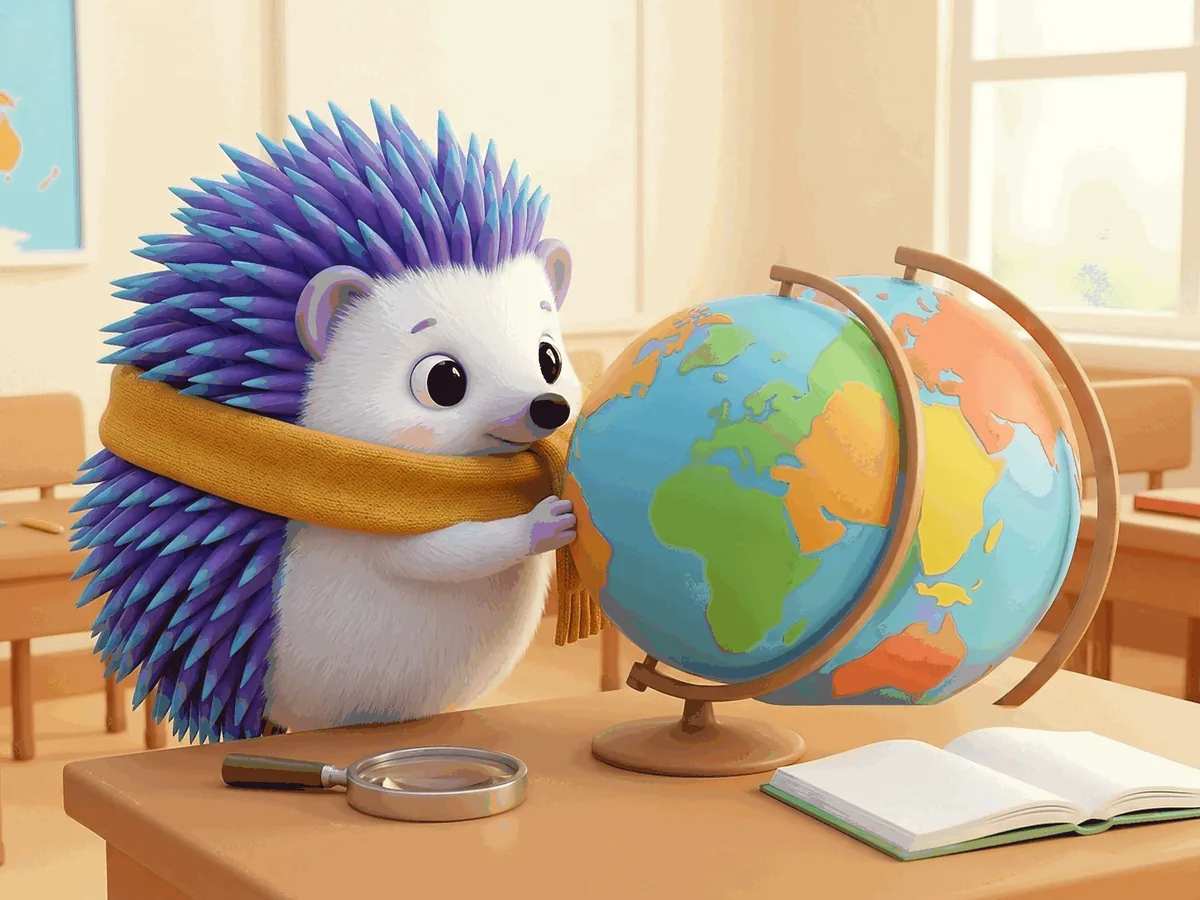
A country is a land with its own name, borders and laws
A country has a name, borders, its own laws and the people who live there. Today 193 countries are members of the United Nations.
Why? The United Nations was set up in 1945, after a terrible war, so that countries could talk instead of fight. Countries meet there to keep the peace.
Try at home: Look for “Made in” on labels at home. A country's name comes after it. How many countries can you find on toys, clothes and boxes?
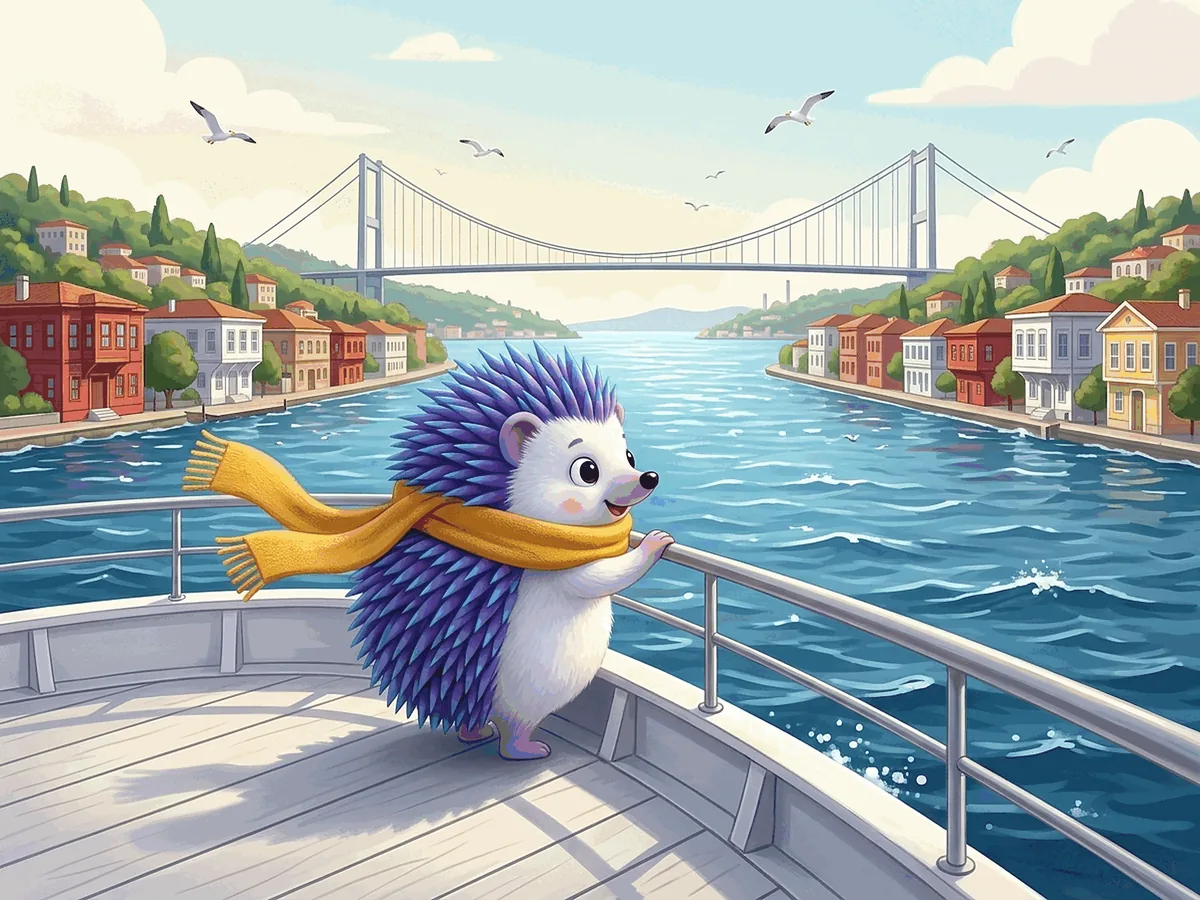
Türkiye is on two continents
The great pieces of land on Earth are called continents. Türkiye's land is on two of them. Thrace is in Europe and Anatolia is in Asia.
Why? The Bosphorus, the Sea of Marmara and the Dardanelles separate the two continents. The Bosphorus runs right through Istanbul. So every day many people in Istanbul cross from one continent to the other by bridge, ferry or train.
Try at home: Find Istanbul on a map or a globe together. Put one finger on Europe and one on Asia.
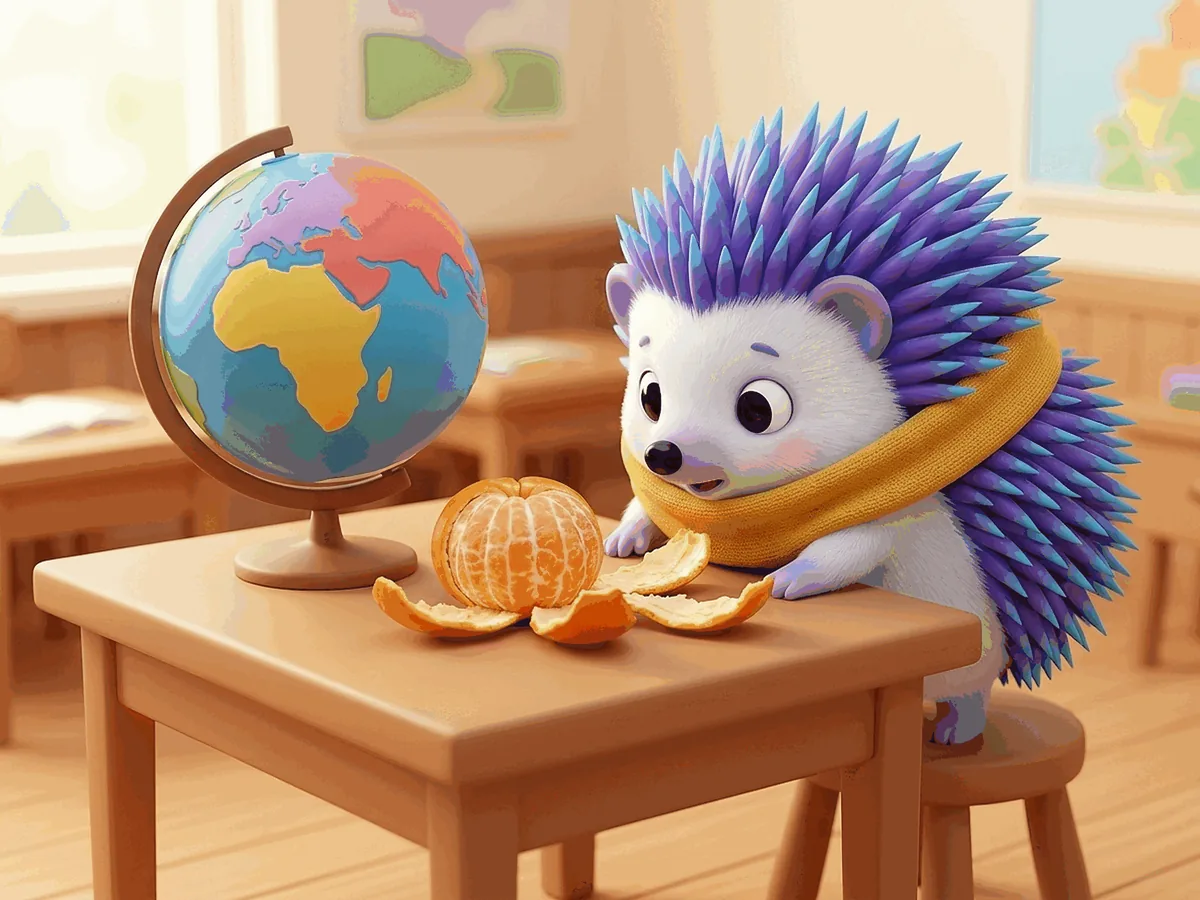
A flat map cannot show the round Earth exactly
The Earth is round like a ball, and a map is flat paper. When something round is made flat, some places come out bigger than they really are.
Why? On many maps Greenland looks almost as big as Africa. In fact Africa is about 14 times bigger than Greenland. A globe shows sizes truly, because it is round like the Earth.
Try at home: Peel a tangerine in big pieces and try to lay the peel flat on the table. Can you do it without tearing it?
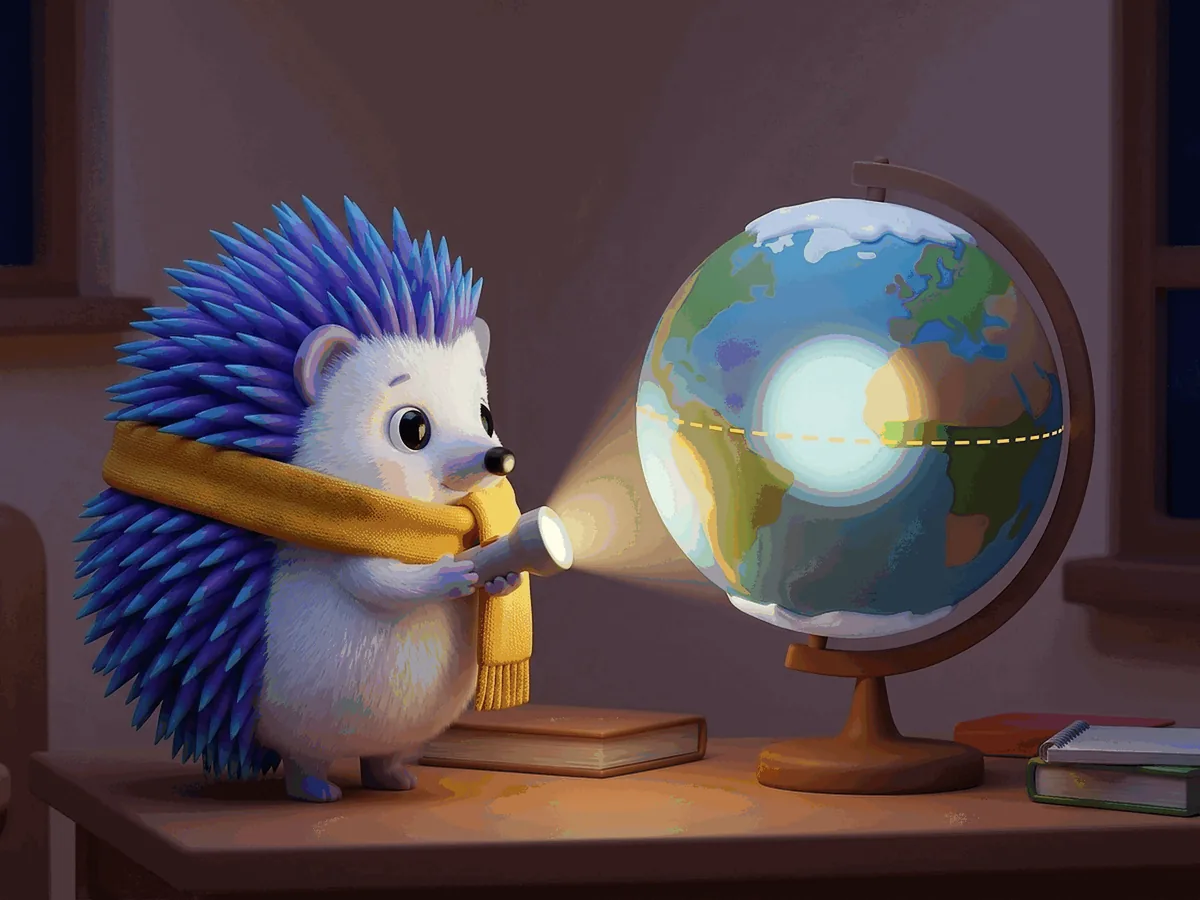
Near the equator it is warm, near the poles it is cold
The equator is an imaginary line around the middle of the Earth. Places near it are usually warm all year. Places near the North and South Poles are cold.
Why? Near the equator sunlight falls almost straight down and heats a small patch of ground strongly. Near the poles it comes in at a slant and spreads over a much bigger patch, so each part gets less warmth.
Try at home: In a dark room, shine a torch straight down at the table, then tilt it. When is the patch of light small and bright, and when is it big and dim?
Different ways of living

People speak more than 7,000 languages
More than 7,000 languages are spoken in the world today. Some are spoken by hundreds of millions of people, some by only a few hundred.
Why? When people who speak the same language live far apart for a very long time, their words and the way they say them slowly change in different ways. So one language can become many. Azerbaijani, Uzbek and Kazakh are relatives of Turkish.
Try at home: Ask someone in your family or a neighbour how to say “hello” in another language. Say it together.
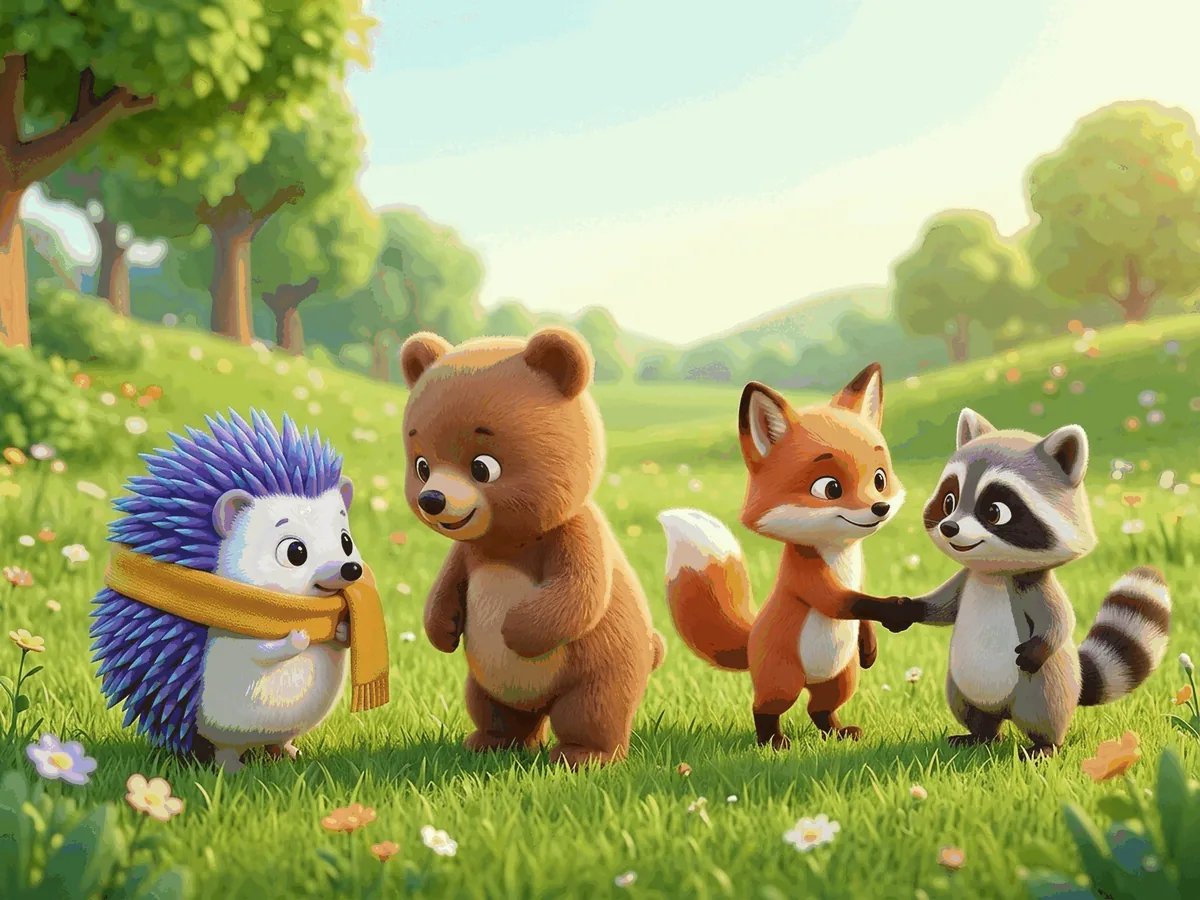
People greet each other in many ways
People shake hands, bow or kiss on the cheek. In Japan people often bow a little. The Māori of New Zealand may greet by gently pressing their noses together, and this is called the hongi.
Why? Every greeting says the same thing in its own way. “I see you, and I respect you.” When you are a guest somewhere, learning the greeting there is a kind thing to do.
Try at home: How many ways of greeting does your family know? Try them together: a wave, a handshake, a small bow.
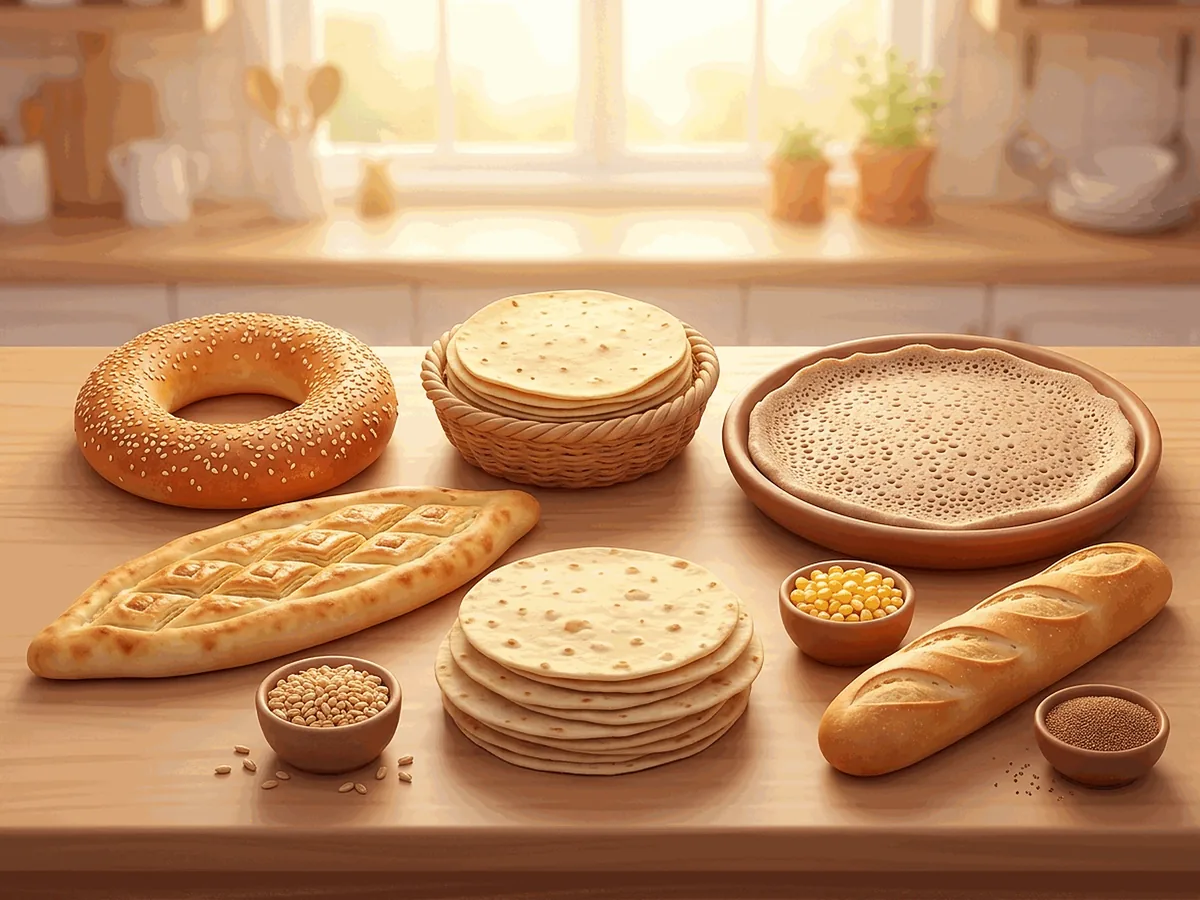
Almost every country has its own bread
In Türkiye there are simit and pide. In Mexico people make tortillas from maize. In Ethiopia they make a soft, spongy flatbread called injera from a tiny grain called teff.
Why? People make bread from the grain that grows best where they live. Wheat grows well in Anatolia, maize in Mexico and teff in the Ethiopian highlands.
Try at home: Look at the flour packet in the kitchen. Which grain was it made from?
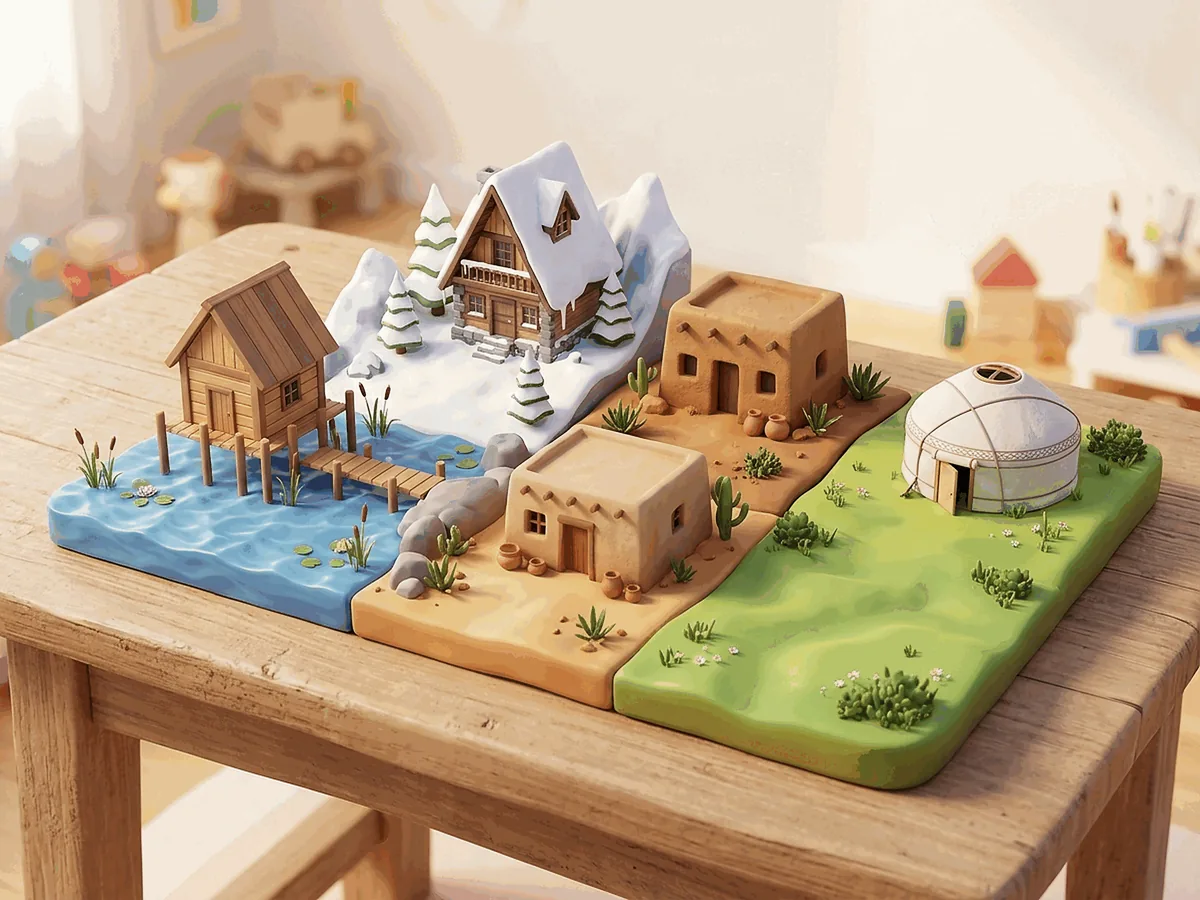
Houses are built to suit the weather
Where it snows a lot, roofs are steep, and on shores where the water rises, houses stand on posts. In very hot, dry places walls are thick and windows small. Some families who move with their animals live in felt tents they can carry, called yurts.
Why? Snow slides off a steep roof, posts keep the floor above the water, and thick walls let the daytime heat in only slowly. People build with what they have, for the weather where they live.
Try at home: Look at the roof and windows of your home or school. Which kind of weather do you think it was built for?
Living together
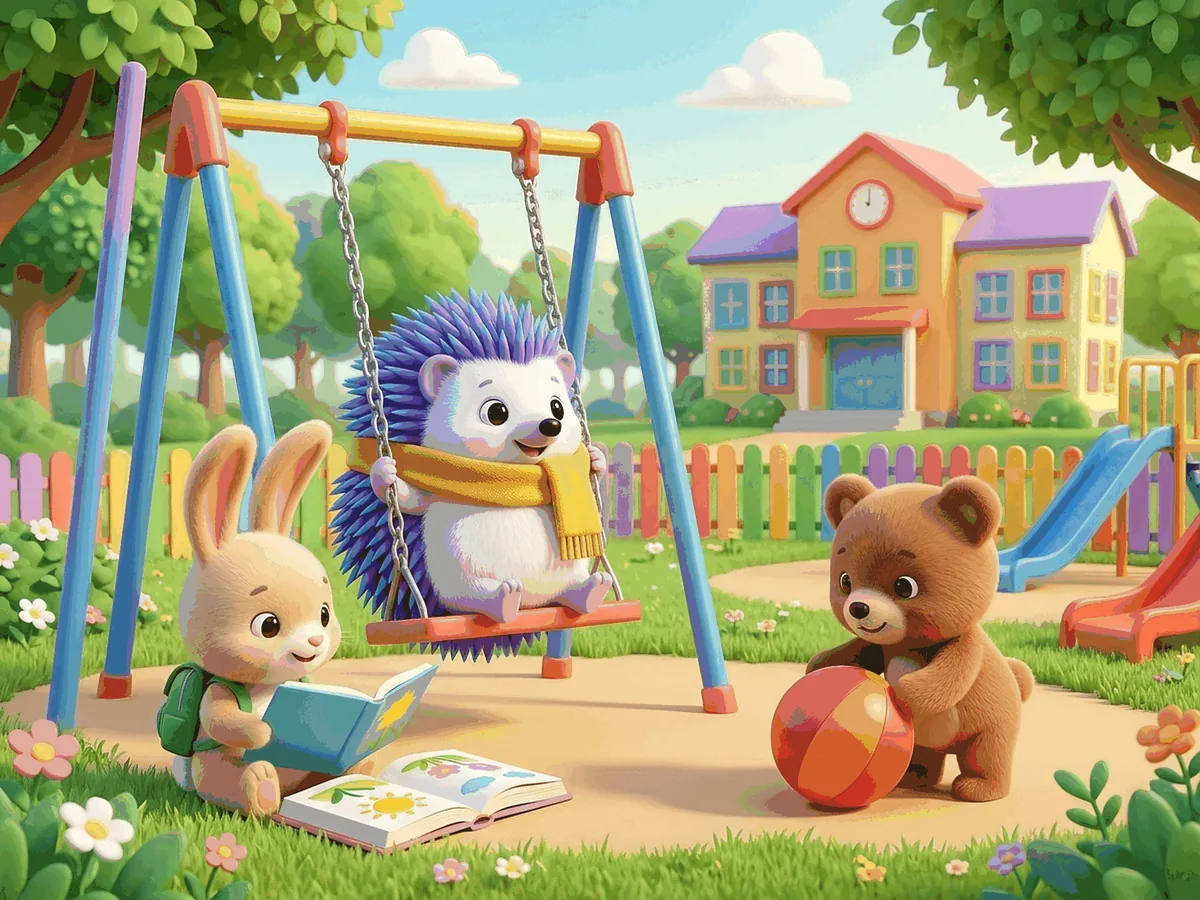
Children in every country have the same rights
In 1989 the countries of the world wrote children's rights down in one agreement. Today almost every country, Türkiye too, has joined it. Every child has the right to be safe, to learn, to play and to say what they think.
Why? A child is a child in every country. Wherever children are born, they need the same things to grow up happy and healthy.
Try at home: Talk about it at dinner. Which of your rights did you use today? Playing? Learning?
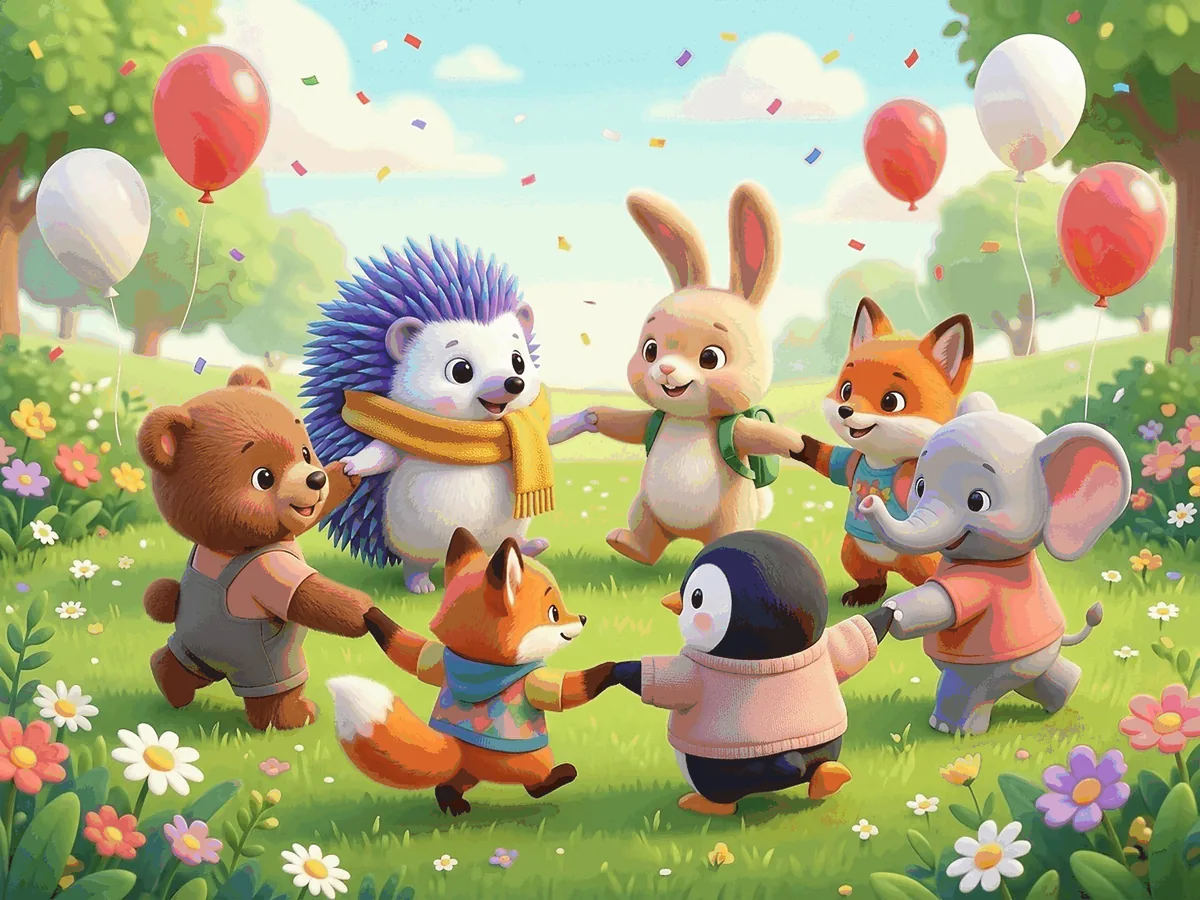
On 23 April children from many countries come to Türkiye
In Türkiye 23 April is National Sovereignty and Children's Day, a festival given to children. Since 1979 TRT has invited children from many countries to Türkiye for this day. They sing and dance together.
Why? TRT started this festival in 1979, the International Year of the Child. When children meet, play and eat together, they become friends and get to know each other's countries.
Try at home: If you could invite a child from another country to your home, which game would you play together? Draw it.
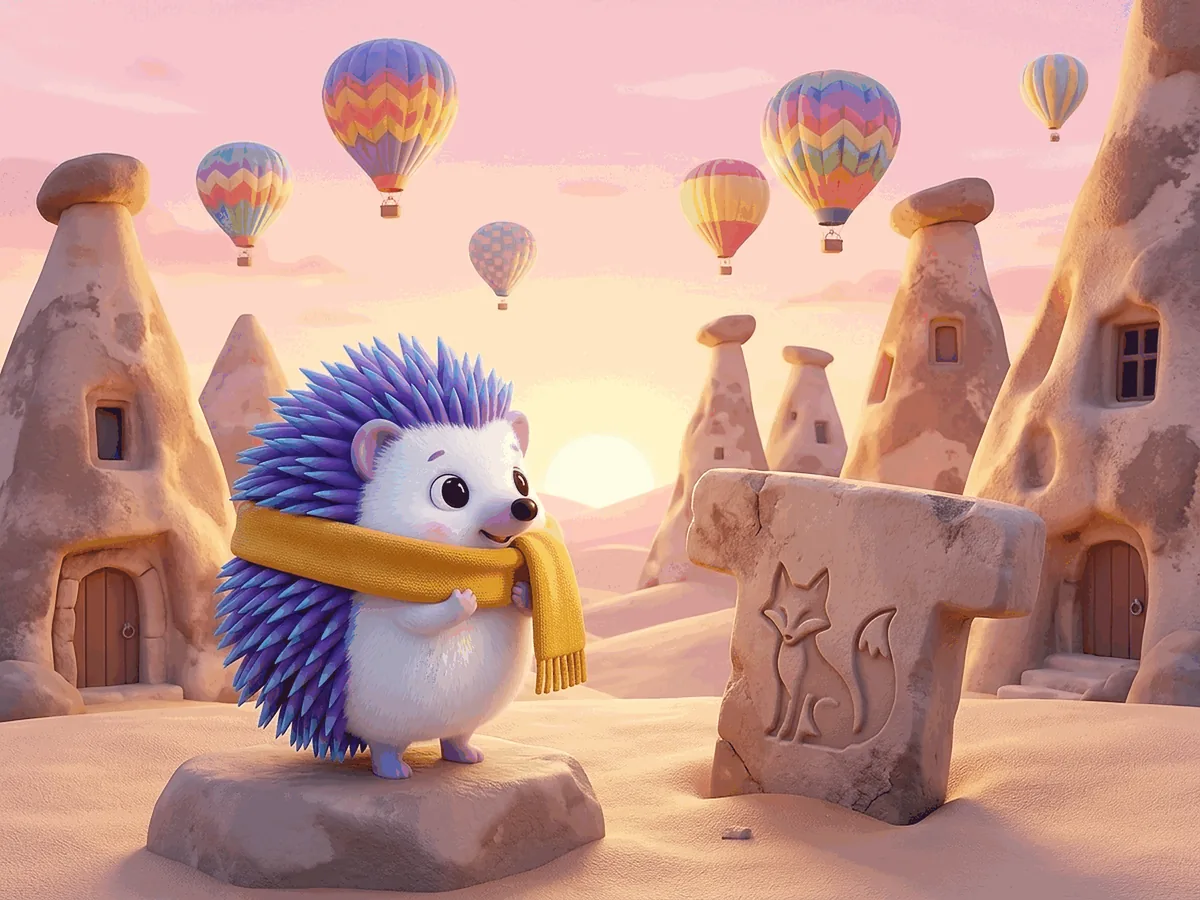
Some places are a heritage for all people
Countries have promised to look after some very special places together, and call them World Heritage sites. Cappadocia and Göbeklitepe in Türkiye are among them. People built Göbeklitepe more than 11,000 years ago, before anyone knew how to farm.
Why? These places tell the story of all humankind, not of one country only. If one is lost, it is lost for everyone. So everyone helps to protect it.
Try at home: Is there a very old building or place in your town? Find out with a grown-up how old it is.
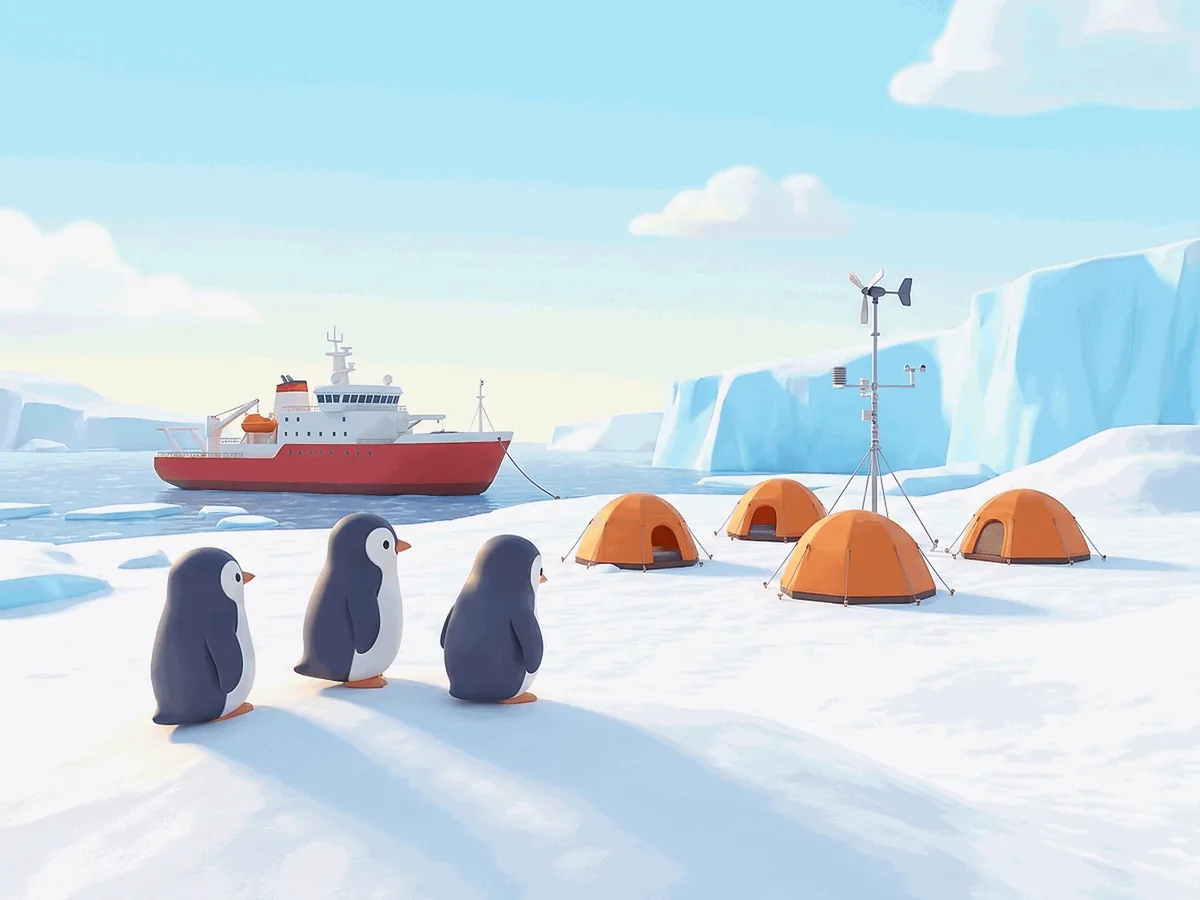
Antarctica is kept for peace and science
Antarctica is the icy land around the South Pole. In 1959 twelve countries promised to use Antarctica only for peace and science. Türkiye joined this treaty in 1996, and Turkish scientists go there every year.
Why? The cold there is so hard that no one can work alone. Scientists from different countries share their ships, food and findings, and help each other.
Try at home: Put one ice cube inside a woolly sock and one on a plate. Which melts more slowly? Talk about how thick clothes help in the cold.
Pack the suitcase
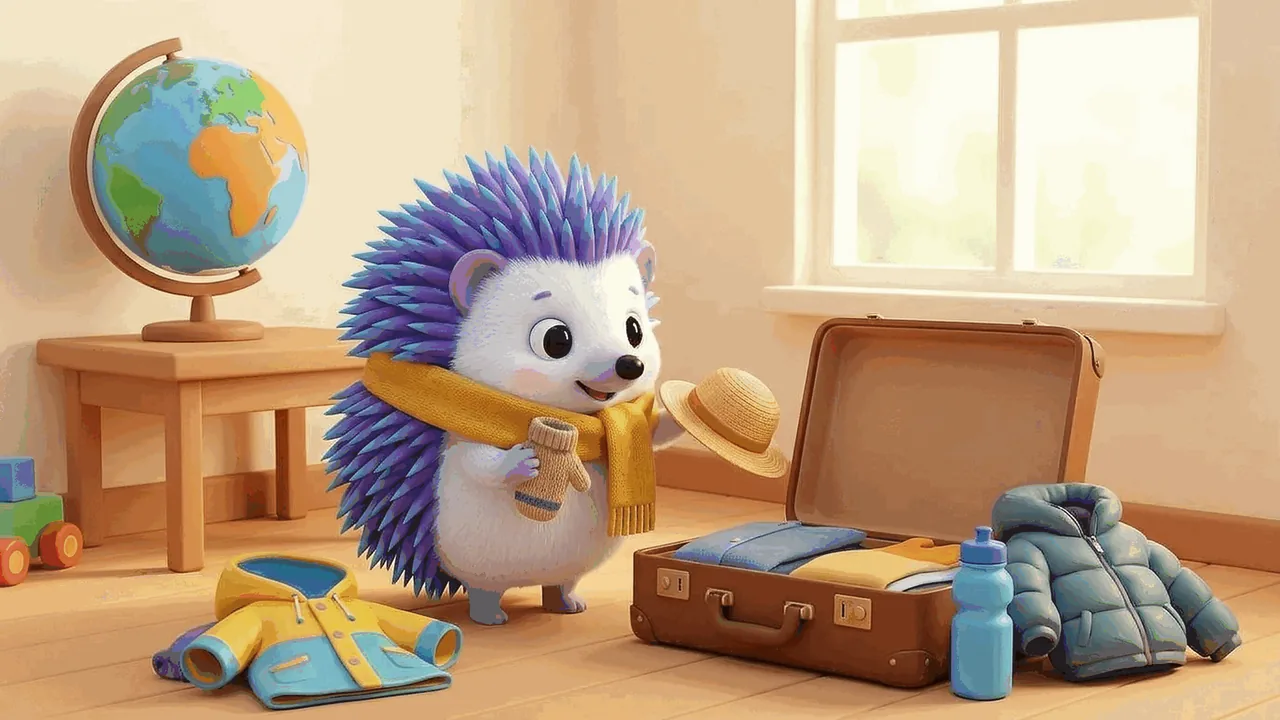
Hedgie is travelling round the map. Look where the pin is and read what the weather is like there. Then choose what to put in the suitcase.
Countries quiz
Ten questions, one at a time. A wrong answer is not a loss: try again, and a hint is there.
Games and fact pages
For grown-ups
- The aim of this world: to notice that where people live shapes how they live (heat and cold, bread, houses), that every way of greeting or eating is one good way among many, and that children everywhere share the same rights. It prepares for the topics of place, country and world in primary Life Studies and grade 4 Social Studies.
- Ask: our new neighbour or classmate came from another country. What might be hard for them in their first week? What could we do?
- Ask after the quiz: which country would you like to visit? What would you pack, and why?
- Do it together: look at a globe or a world map. Find Türkiye, then the countries on the cards. Talk about whether each one is near the equator or near a pole.
- If your family has relatives or friends abroad, work out together what time it is where they live before you call them.
- Sources are listed in this section. The map uses Natural Earth data (public domain). Game progress is saved only on this device.
Sources
- A country is a land with its own name, borders and laws: United Nations, “Member States”; United Nations, “History of the United Nations”
- Türkiye is on two continents: Encyclopaedia Britannica, “Bosporus”; Encyclopaedia Britannica, “Sea of Marmara”
- A flat map cannot show the round Earth exactly: Encyclopaedia Britannica, “Mercator projection”; Encyclopaedia Britannica, “Africa” and “Greenland”
- Near the equator it is warm, near the poles it is cold: NASA Earth Observatory, “Climate and Earth's Energy Budget”
- People speak more than 7,000 languages: Ethnologue (SIL Global, 2025), “How many languages are there in the world?”
- People greet each other in many ways: Te Ara, the Encyclopedia of New Zealand, “Māori manners and social behaviour – Ngā mahi tika”; Japan National Tourism Organization, “Custom & Manners”
- Almost every country has its own bread: Encyclopaedia Britannica, “Taco”; Encyclopaedia Britannica, “Teff”
- Houses are built to suit the weather: Paul Oliver (2003), “Dwellings: The Vernacular House Worldwide”, Phaidon
- Children in every country have the same rights: UNICEF, “Convention on the Rights of the Child” (1989), articles 12, 19, 28 and 31
- On 23 April children from many countries come to Türkiye: TRT, “TRT 23 Nisan Uluslararası Çocuk Şenliği”; United Nations, “International Year of the Child, 1979” (resolution 31/169)
- Some places are a heritage for all people: UNESCO World Heritage Centre, “Göreme National Park and the Rock Sites of Cappadocia” and “Göbekli Tepe”
- Antarctica is kept for peace and science: Secretariat of the Antarctic Treaty, “The Antarctic Treaty” and “Parties”; TÜBİTAK, Ulusal Antarktika Bilim Seferleri
- Encyclopaedia Britannica, “Turkey: Land”
- Time and Date AS, “Time Zone Map”
- Time and Date AS, “Day and Night World Map”